
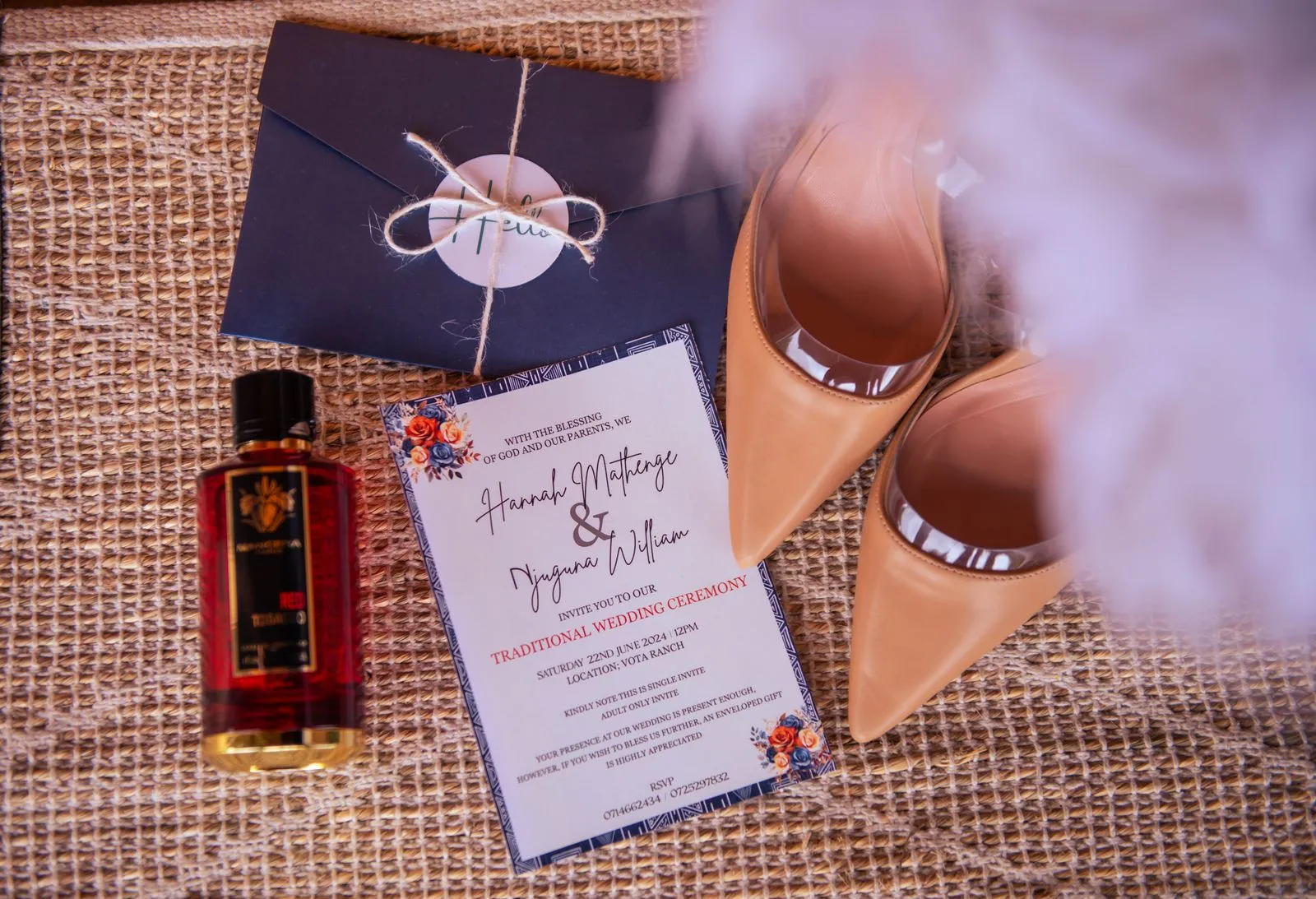
Wedding invitation paper does more than hold the details of your day. Its texture, color, and weight shape the first impression guests receive, while the printing method affects how the design looks and feels. Start by considering your wedding’s style, the amount of detail in your artwork, and your mailing plans. Then compare samples in person when possible. A few thoughtful choices can help your invitation, response card, and enclosure pieces feel like one complete suite.
Compare Texture and Feel
Smooth paper gives invitations a clean, polished surface that suits crisp typography and fine lines. Textured stocks, such as cotton or lightly hammered paper, add tactile character and can make a simple design feel more distinctive. Consider how the texture works with your overall look: a natural finish may complement a relaxed garden celebration, while a smooth surface can support a more formal, minimal design.
Ask for physical samples rather than relying only on photos. Run your fingers over the paper and view it under different lighting, since texture and finish can look different on a screen. Also check whether the surface is compatible with your chosen printing method. Deep texture may soften very small text or intricate details, so review a printed proof before approving the full order.
Choose a Paper Color
Paper color sets the background for every other design choice. Bright white feels crisp, while softer whites and ivories can create a warmer impression. Colored stocks make a stronger statement, but they may change how ink appears. A pale ink that looks clear on white might have less contrast on a colored sheet, so check that names, dates, and other essential information remain easy to read.
Compare paper samples beside your envelope, ink, and any embellishments. Natural and warm-toned papers can shift in appearance under indoor lighting, and two whites from different suppliers may not match. If your suite uses several paper pieces, ask whether the same stock or a coordinated shade is available for each one. Consistent color helps the invitation and enclosure cards look intentionally connected.
Match Paper to Printing
The printing style affects both appearance and feel. Digital printing works well for colorful artwork, photographs, and detailed designs. Letterpress presses ink into the sheet to create a tactile impression, while foil stamping adds a reflective accent. These methods suit different artwork and paper surfaces, so discuss your design with the printer before settling on a stock.
Paper thickness and surface can influence how a print method performs. Ask which stocks are recommended, whether the design needs adjustments, and what a proof will show. Look closely at small lettering, thin lines, and large areas of color. If you are choosing a specialty finish, use it where it matters most—such as on the main invitation—then consider simpler printing for supporting cards to keep the suite balanced.
Plan the Complete Suite
Think beyond the main invitation when choosing paper. Response cards, details cards, and menus should feel related without needing to match exactly. Repeating a paper color, texture, or print detail can tie the pieces together. You can also vary the materials thoughtfully—for example, using a substantial stock for the invitation and a lighter coordinated paper for enclosure cards.
Check the finished size, thickness, and total contents before mailing. Extra layers or heavy paper can affect postage, and a bulky suite may need a larger envelope. Request a completed sample assembled as it will be sent, then confirm the envelope fit and mailing requirements with your postal carrier. North Shore Paper can help couples in Traverse City compare samples and coordinate a cohesive suite.
The best wedding invitation paper supports your design, feels right in your hands, and works for the full suite and mailing plan. Compare real samples, review a printed proof, and check how every piece looks together before placing your order. If you’d like help narrowing the options, reach out to a stationery studio to talk through your vision.